Excavation works in Perth represent a critical discipline within geotechnical engineering, encompassing everything from initial site investigation through to construction and long-term monitoring of below-ground structures. The category spans shallow trenching for utilities, deep basements for commercial towers, tunnel boring for infrastructure, and bulk earthworks for large-scale developments. Given Perth's rapid urban expansion and the increasing complexity of its built environment, professional excavation services are essential to manage ground risks, ensure structural stability, and protect adjacent assets. Whether dealing with the soft sediments of the Swan Coastal Plain or the cemented sands of the Tamala Limestone formation, understanding local ground behaviour is fundamental to successful project delivery.
Perth's subsurface conditions are dominated by Quaternary-aged deposits that pose unique challenges for excavation. The Swan Coastal Plain features extensive layers of Bassendean Sand, Guildford Clay, and alluvial silts, often with a shallow groundwater table that fluctuates seasonally. The Tamala Limestone, a variably cemented calcarenite present along the coastal fringe, can range from loose sand to weak rock within short distances. These heterogeneous conditions demand thorough geotechnical analysis for soft soil tunnels when planning underground works, as unexpected ground transitions can significantly impact excavation stability. Additionally, the presence of acid sulfate soils in low-lying areas requires careful handling to meet environmental obligations during bulk earthworks.
Regulatory compliance in Western Australia is governed by a framework of national and state-specific standards. AS 4678-2002 provides the primary guidance for earth-retaining structures, while AS 1726-2017 outlines geotechnical site investigation requirements. WorkSafe WA enforces the Occupational Safety and Health Regulations 1996, which mandate strict controls for trenching and excavation safety, including benching, battering, and shoring where depths exceed 1.5 metres. The Environmental Protection Act 1986 and associated regulations also apply when excavations intersect groundwater or generate contaminated spoil. Engaging a qualified geotechnical engineer familiar with these instruments is not merely advisable but a statutory necessity for any project involving significant below-ground works.
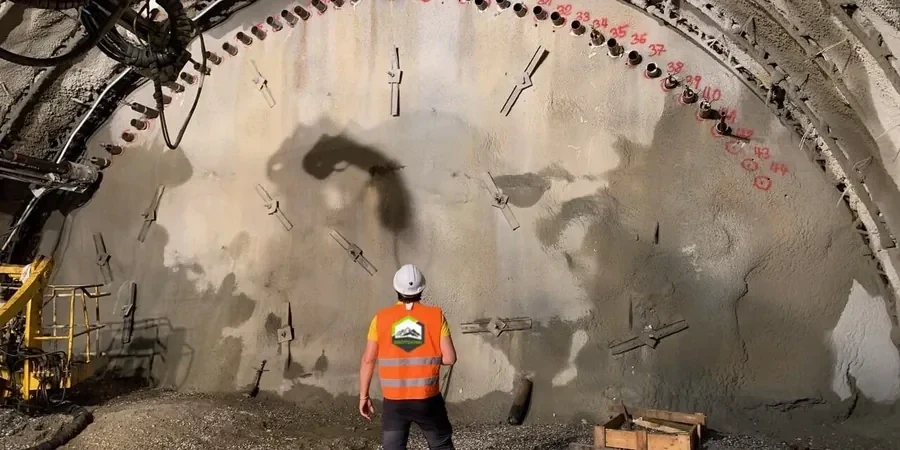
Projects requiring professional excavation services across the Perth metropolitan area are diverse in scale and complexity. High-rise developments in the CBD and Elizabeth Quay precincts routinely involve deep basements that extend below the water table, demanding robust geotechnical design of deep excavations to prevent collapse and limit ground movement. Infrastructure initiatives such as the METRONET rail expansion rely on tunnelling through variable ground, where continuous geotechnical excavation monitoring safeguards both workers and surrounding structures. Even smaller works, such as residential retaining walls on sloping sites in the Darling Scarp foothills, benefit from systematic ground assessment to avoid costly failures. In every case, the integration of site-specific investigation, design, and monitoring forms the backbone of a safe excavation strategy.
Common questions
What are the main geotechnical risks associated with excavations in Perth?
The primary risks include collapse of uncemented sands, basal heave in clay-rich soils when groundwater is present, and unexpected transitions between loose sand and weakly cemented limestone. Shallow water tables across the Swan Coastal Plain increase the likelihood of inflow and instability. Proximity to existing structures also raises the potential for settlement damage if excavation support systems are inadequately designed or monitored.
When is a geotechnical investigation mandatory before starting an excavation?
A geotechnical investigation is legally required under AS 1726-2017 and WorkSafe WA regulations whenever an excavation exceeds 1.5 metres in depth or encounters groundwater. It is also essential for any project near existing buildings, roads, or services. The investigation defines soil and rock properties, groundwater levels, and any contamination, forming the basis for safe excavation design and shoring requirements.
How does Perth's geology differ from other Australian cities for excavation purposes?
Perth is unique due to the extensive Swan Coastal Plain, with its deep deposits of Bassendean Sand and discontinuous limestone layers. Unlike Sydney's sandstone or Melbourne's basalt, Perth's ground is often uncemented and highly permeable, making groundwater control a dominant design consideration. The variability of Tamala Limestone cementation over short distances also complicates excavation planning compared to more uniform rock profiles elsewhere.
What monitoring techniques are typically used during deep excavations in urban areas?
Common monitoring includes inclinometers to detect lateral ground movement, settlement points on adjacent buildings and pavements, piezometers for groundwater pressure, and vibration sensors where rock breaking is required. Automated total stations and real-time data logging are increasingly used on major projects to provide immediate alerts if movements exceed predefined thresholds, enabling rapid response to protect public safety and assets.