Seismic engineering in Perth occupies a unique and increasingly critical position within Western Australia's geotechnical and structural design landscape. While the region is not traditionally associated with the high-magnitude interplate earthquakes of the Pacific Rim, the city's seismic category encompasses a comprehensive suite of analysis and design services aimed at mitigating the risks posed by intraplate seismicity. This includes detailed site response studies, seismic microzonation to map hazard variability, advanced soil liquefaction analysis for susceptible sediments, and the implementation of base isolation seismic design for critical infrastructure. The importance of these services has grown in lockstep with the increasing density of high-rise structures, the expansion of industrial facilities, and a more nuanced understanding of the Australian continent's seismic behaviour, making this category essential for resilient urban development.
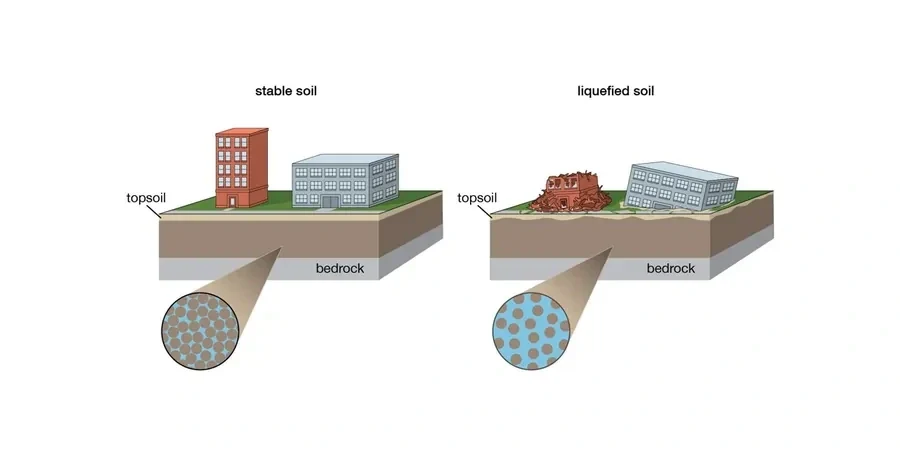
Perth's geological context is the primary driver for the specialised services within this seismic category. The city is underlain by the Perth Basin, a deep sedimentary sequence featuring the Swan Coastal Plain's extensive sand deposits, Tamala Limestone formations, and alluvial clays. These unconsolidated to weakly consolidated materials are particularly prone to seismic wave amplification, where ground motions can be significantly magnified compared to bedrock levels. Furthermore, the presence of saturated, loose granular soils, especially along the Swan River foreshore and in reclaimed areas, introduces a pronounced risk of soil liquefaction during a seismic event. Detailed soil liquefaction analysis is therefore not an academic exercise but a practical necessity, assessing the potential for a sudden loss of soil strength that can lead to catastrophic foundation failure, lateral spreading, and differential settlement.
The regulatory framework governing seismic design in Perth is dictated by the National Construction Code (NCC), which references AS 1170.4, 'Structural design actions – Earthquake actions in Australia'. This standard provides the seismic hazard map and site classification procedures that underpin all local projects. AS 1170.4 requires the determination of a site sub-soil class based on geotechnical investigation, directly influencing the design response spectrum. For sites with deep soft soils—common across the Perth metropolitan area—the code mandates specific dynamic site response analyses rather than relying on generic spectral shapes. This regulatory environment makes seismic microzonation a powerful tool for developers and municipal planners, as it provides a block-by-block understanding of seismic hazard that goes beyond the code's broad-brush map, enabling more precise and economical designs for structures ranging from residential apartment towers to sprawling logistics centres.
The types of projects requiring these seismic services in Perth are diverse and expanding. High-rise buildings in the CBD and Elizabeth Quay, where structural periods coincide with amplified soil periods, routinely require advanced site-specific response analysis. Critical infrastructure such as hospitals, emergency service headquarters, and power substations are increasingly designed with base isolation seismic design to ensure post-earthquake functionality. The resources sector drives demand for seismic assessments of large storage tanks, tailings dams, and wharf structures in Kwinana and Henderson. Even residential land developments on deep sand sites now frequently trigger a requirement for liquefaction screening as part of the development application process, reflecting a mature and proactive approach to managing Perth's subtle but real seismic threat.
Common questions
What is the overall purpose of a seismic category assessment for a Perth development site?
A seismic category assessment for a Perth site determines the specific earthquake risk profile by integrating the Australian national hazard map (AS 1170.4) with local geological conditions. It quantifies how deep sediments of the Perth Basin will amplify ground shaking and identifies potential geotechnical failures like liquefaction. This process moves beyond a generic code value to provide a site-specific design spectrum and risk mitigation strategy, ensuring structural resilience and regulatory compliance for the project.
How do local ground conditions in Perth influence the seismic design requirements?
Perth's ground conditions, dominated by the Swan Coastal Plain's deep sands and soft alluvial clays, are a Class E or D site under AS 1170.4, which significantly amplifies earthquake shaking compared to bedrock. This soil amplification often doubles or triples the design spectral acceleration for mid-rise structures. Consequently, the local geology mandates detailed site response analysis rather than default code spectra, directly increasing the seismic demand on a building's lateral load-resisting system.
What Australian standards govern seismic design and analysis in Perth?
Seismic design in Perth is primarily governed by AS 1170.4, 'Earthquake actions in Australia,' which is called up by the National Construction Code. This standard defines the hazard map, site sub-soil classification, and methods for calculating design actions. For geotechnical aspects like liquefaction and slope stability, AS 4678 (Earth-retaining structures) and guidelines from the Australian Geomechanics Society are also relevant, ensuring a comprehensive approach to seismic hazard mitigation.
At what stage of a project should a seismic hazard analysis typically be commissioned?
A seismic hazard analysis should be commissioned early in the project's feasibility or preliminary design stage, ideally in parallel with the initial geotechnical investigation. Early engagement allows the findings to fundamentally inform the structural concept, site layout, and foundation selection, preventing costly redesigns later. For large developments, a preliminary screening for liquefaction and site class can determine if more detailed, resource-intensive studies are required before the detailed design phase begins.